
DeBerry Water Supply Corporation – Community Q&A
Why are the surrounding water systems not having these issues?
Some are, some aren’t — and some may not yet be aware. Every system draws from
different aquifers, has different well ages, different maintenance histories, and different
levels of prior planning. We are in ongoing communication with operator Wade Allums, who
assists multiple systems and has helped us recently free of charge. Several of the systems he
operates experienced the same issues many years ago, but he began long-term planning and
grant applications over 15 years ago. Those investments are now coming to fruition for
them. Other nearby systems, such as Panola Bethany, use very large, expensive filtration
systems (“green screens”) that cost over $75,000 each and must be custom‑built for each
well. Engineers have advised us not to purchase these until we have new wells, because
fitting them to aging wells would be cost‑prohibitive and may become obsolete once new
wells are drilled.
Why can’t DeBerry install the same filters other systems have?
Green screen filtration systems require high upfront cost, individual well customization,
TCEQ approvals, and environmental permits. We have been strongly advised not to pursue
them until we have new wells because the current wells are aging, unstable, and may be
replaced. These filters remain part of our long‑term plan, but only after the new well
infrastructure is secured.
Why are we having so many Boil Water Notices?
When this board took office over two years ago, we inherited more than 20 violations and
were already under state enforcement with fines. Many violations came from the failure of
prior management to issue Boil Water Notices even when required by state law. The current
board unanimously agreed that if there is ANY doubt, we will issue a notice. Even if the
situation seems borderline or inconvenient, we will always follow TCEQ requirements
exactly as written. This approach prevents additional violations, protects the community,
and ensures full compliance.
How are the rates set?
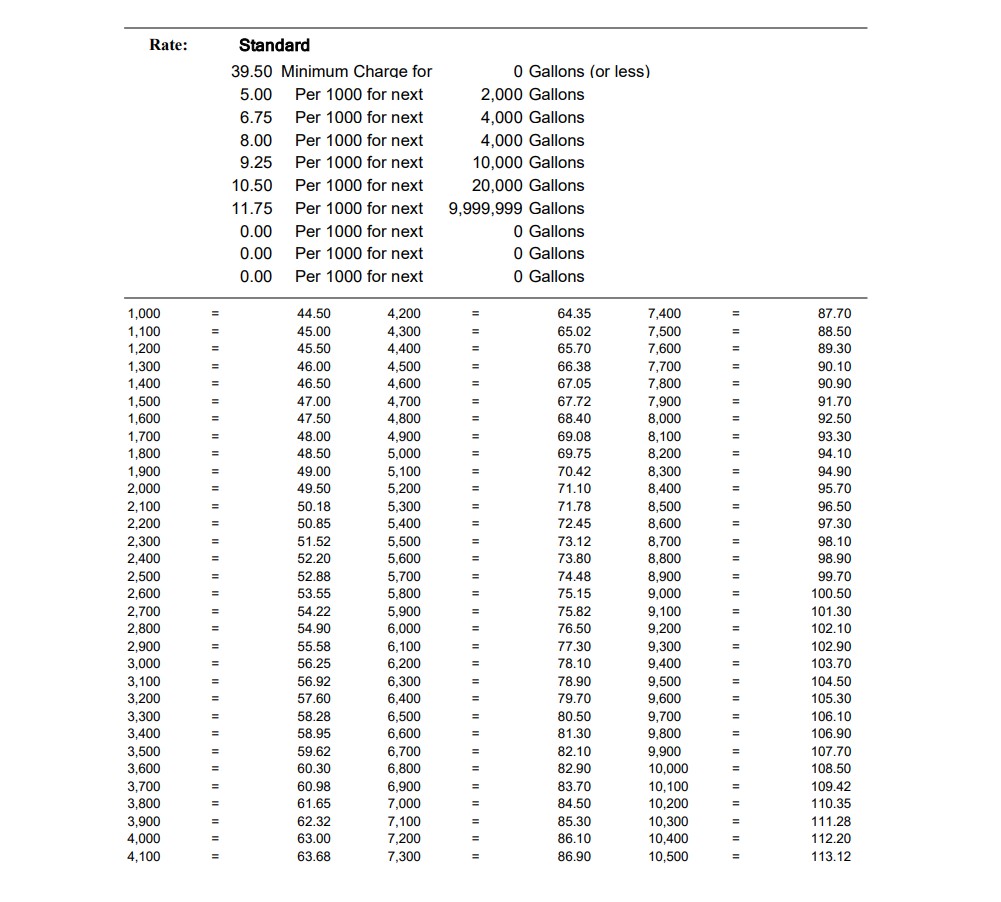
Rates are determined through a formal rate study performed by the Texas Rural Water
Association (TRWA). TRWA reviewed our financials, infrastructure needs, reserve
requirements, and operational costs. Their experts recommended the necessary rate
structure. The board then approved the recommendation. Prior management failed to
conduct rate studies or plan for capital improvements for years, creating financial
instability. We now rely on professional guidance to ensure long‑term system sustainability.
Why can’t you shut down the problem well?
We would if we could. However, drought conditions and structural failures forced two wells
offline, leaving the system with limited production. Shutting down the strongest well earlier
would have caused system pressure loss, boil notices, widespread outages, and an inability
to meet daily demand. Experts advised us to keep it online until a coordinated rehabilitation
plan was ready. That well has now been pulled and is being evaluated.
Is the water safe to drink?
Yes. Current issues are aesthetic — discoloration, mineral buildup, and filter staining — not
health‑related. Testing shows naturally occurring iron, manganese, and iron‑related
bacteria, which are not harmful but do cause discoloration and buildup.
Why does the water look worse when chlorine levels change?
Chlorine is required by the state for disinfection. However, chlorine also oxidizes iron and
manganese, which makes these minerals visible. When chlorine levels change, the minerals
react and can temporarily make water appear worse. This is expected chemistry, especially
in systems with aging wells and high mineral content.
Why don’t you just do a chlorine burnout?
A chlorine burnout can help with ammonia and chloramine issues, but doing so right now
would dramatically worsen manganese discoloration. Before performing a burnout, the
source wells must be addressed and stabilized. Otherwise, it will temporarily make the
water appear significantly worse.
Where has the money from the rate increase gone?
Nearly all increased costs this year have gone directly to well rehabilitation, emergency
repairs, chemicals, engineering, and testing. Each repair is documented with photographs
and uploaded into our internal mapping system. Engineers and auditors use this
documentation to update long‑term plans, verify repairs, and maintain transparency.
Why is all of this taking so long?
Water infrastructure work requires engineering studies, environmental reviews, state and
federal approvals, competitive bidding, and long funding cycles. Government processes —
especially USDA and TWDB — are slow, particularly during fiscal year resets or shutdowns.
While frustrating, these requirements ensure funds are used properly and projects don’t
financially harm the community.
What is being done right now?
We are rehabilitating wells, coordinating with engineers and chemical specialists,
completing land agreements for new test wells, preparing bid notices, pursuing multiple
grants, and maintaining direct communication with USDA and TWDB. Work is happening
daily behind the scenes.
What can members do to help?
Attend monthly board meetings to stay informed, ask questions, offer professional insight,
or volunteer. Continue reporting water issues with photos or details. You can also contact
your local and state representatives and ask them to support funding through the Texas
Water Development Board and USDA for the projects DeBerry has already submitted.
Why should we trust that things will improve?
Because we finally have clear answers, the real causes have been identified, documentation
deficiencies have been corrected, major funding is closer than ever, and the board is
addressing the root problems instead of applying temporary band‑aids. The work is
difficult, but real progress is happening.
Putting Plans in Action - October 2024
October 23, 2024
Dear DWSC Members,
This October has been a busy and productive month for DeBerry Water Supply Corporation (DWSC), and we’re excited to share the latest updates with you!
Lead and Service Line Inventory Submitted
We are pleased to announce that Board Member Steve Werner has successfully completed the Lead and Service Line Inventory, which has been submitted to the State on time! In compliance with regulations, if your service line was marked as “Unknown, Lead, or Galvanized,” you will receive a letter from DWSC. We are required to notify you annually until we can confirm the material of your line. As we continue to excavate, repair, and replace lines, we will update this information accordingly.
Energy Efficiency Program with TRWA
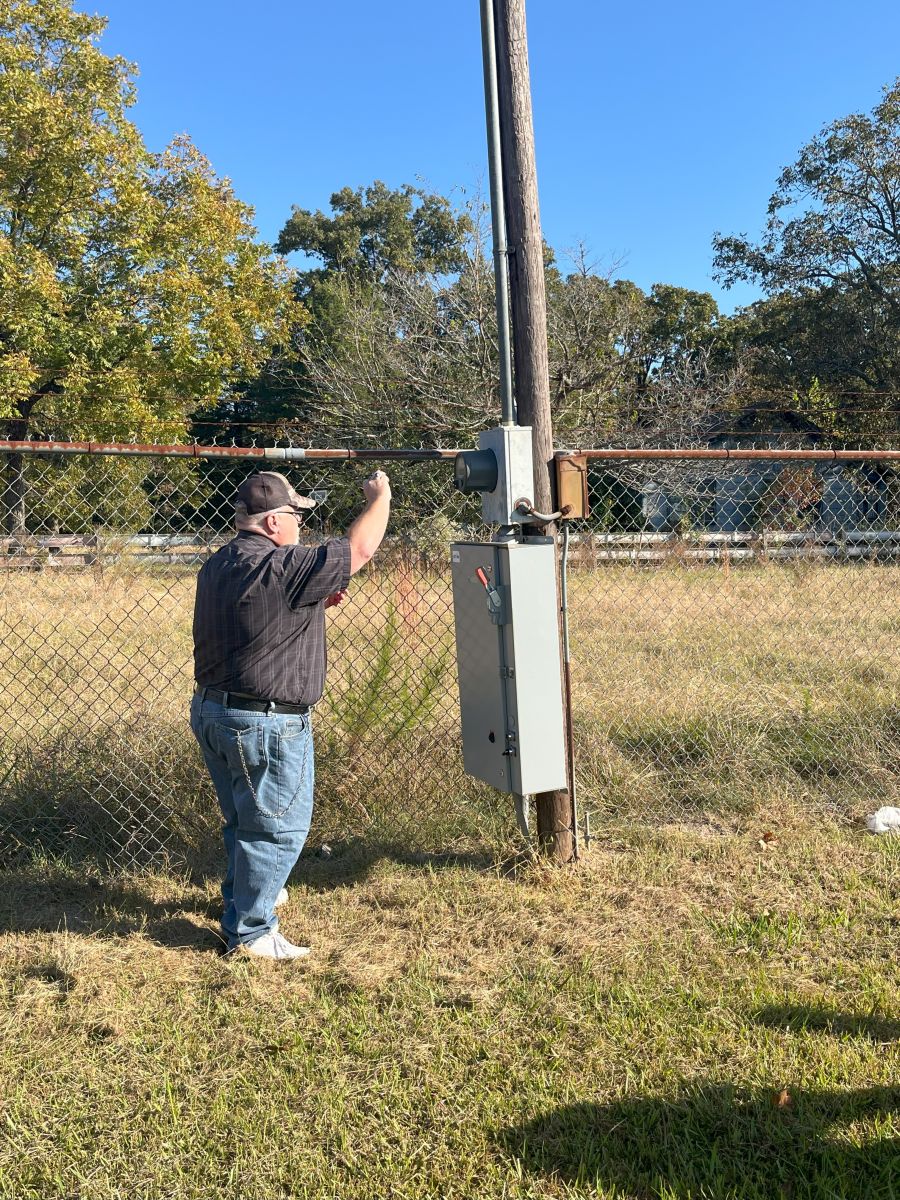
Charles Perkins from the Texas Rural Water Association (TRWA) visited our facility this month. Charles is leading TRWA’s Energy Efficiency Program, which helps water systems like ours manage and upgrade components for optimal performance and cost-effectiveness. He will now return to Nacogdoches to develop a comprehensive energy efficiency plan tailored for DWSC, which will be presented to our board soon. This program, funded by tax dollars, is entirely free for us to participate in.
Well 1 is Back Online!
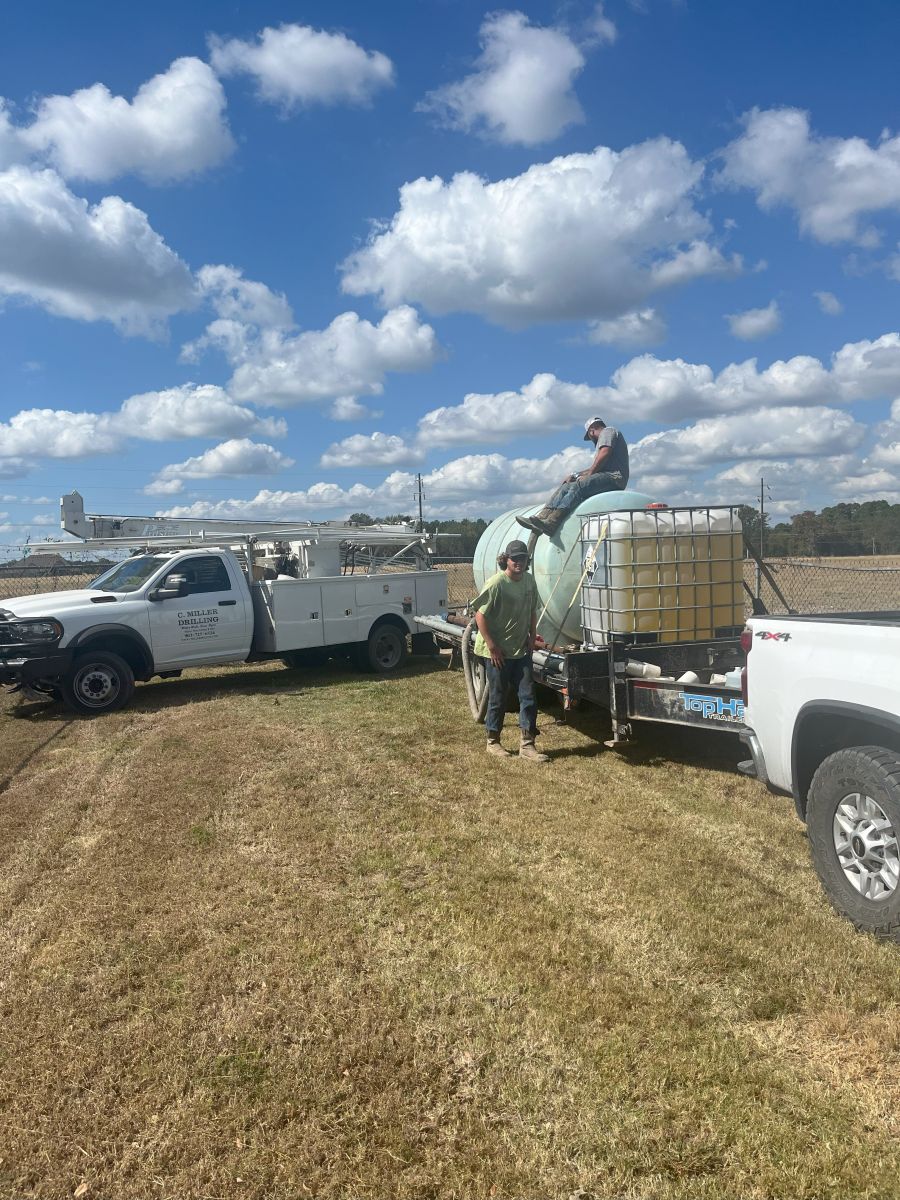
If you missed the previous announcement, we’re thrilled to report that Well 1 is back in operation after being offline for almost two years! This significant milestone allows us to move forward with our Well Rehabilitation and Improvement Plan. You may see C. Miller Drilling working on Well 2—don’t be alarmed! We are steadily improving both the quality and capacity of our water supply, one well at a time.
Thank You for Your Patience During the BWN
We want to extend our sincere thanks to all our members for your patience during the recent Boil Water Notice (BWN). As a reminder, please remain vigilant and report any unlawful hookups to our water system. These unauthorized connections can not only reduce system capacity but may also pose health risks. Fortunately, we were able to address the latest incident before any harm was done, but we rely on the entire community to keep an eye out and prevent future issues.
Thank you again for your ongoing support and cooperation. We look forward to continuing our work to improve the DWSC system for the benefit of all our members.
DWSC
Infrastructure Milestone Completed
August 28, 2024
Thanks to the dedicated efforts of our volunteers, Board Members, and especially our Water Operators, we have successfully recorded GPS coordinates for all active meters in our water system. We are still in the process of locating all flush valves and cut-off valves as well. This valuable data will enable Board Member Steve Werner to advance the infrastructure database he is developing. This database will enhance our Operators' ability to serve the community effectively and support future projects that will be managed by the Engineers.
Texas Water Development Board WUTAP Updates
August 28, 2024
On August 13th, the Board of Directors conducted a virtual meeting with Ardurra Engineering Group, the contractor working alongside DeBerry Water under the Texas Water Development Board WUTAP Grant. The discussion, which lasted nearly three hours, focused on both the short and long-term goals for our water system, as well as our current financial and system status.
The engineers from Ardurra have acknowledged the urgency of our situation. To gain a deeper understanding of our needs and objectives, they will be visiting our facilities on September 20th for a comprehensive walkthrough. This visit will help ensure that their recommendations and plans are tailored to effectively address our specific needs as we move forward with funding and grant opportunities.
Stay tuned for further updates as we continue to make progress on these critical improvements!
